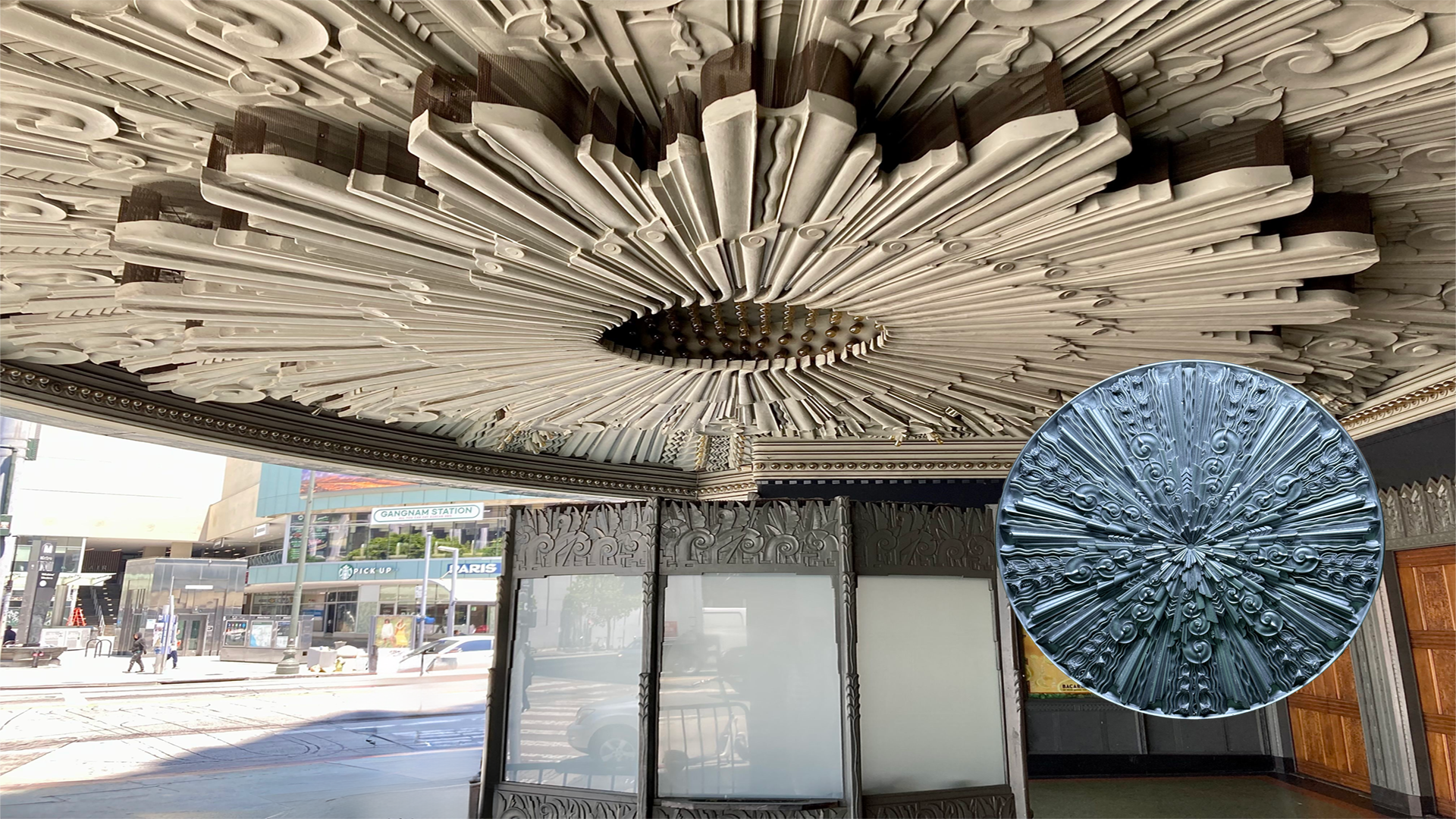


The original developers began construction in 1929 in Los Angeles at the intersection of Wilshire and Western Blvds. Ok, so why were so many skyscrapers built at the precipice of the depression? This one was developed by Henry de Roulet and named after his grandfather, Germain Pellissier who purchased a bunch of land late 1800’s. The firm of Walls and Clements, the young Stiles Clements who was known for the fantastic black and gold Richfield tower in downtown had continued the tradition of the changing times to go for zig-zag art-deco. The building was completed in 1931and became the talk of the town. The street level housed the movie theatre by designer G. Albert Lansburgh which boasts the incredible terrazzo entrance, a huge pipe organ and of course the ceiling medallion on the street level.
Originally called the Warner Brothers, the Wiltern Theatre opened October 7, 1931 with a gala premier of the film, ‘Alexander Hamilton’, an early ‘talkie’, attended by stars like James Cagney, Clark Gable and Jean Harlow. The theatre closed temporarily during the Depression, but the tower remained a visual landmark on the Wilshire skyline. Insurance company Franklin Life bought the property in 1956 for its Los Angeles headquarters, then in 1979 shuttered the theatre again and made plans to raze the entire block for a parking lot. The newly formed Los Angeles Conservancy joined with city leaders to delay demolition and have the Pellissier Tower listed on the National Register of Historic Places. The black and white image below and the previous historic description was from a blog post in 2014 :
https://ladailymirror.com/2014/05/05/mary-mallory-hollywood-heights-wiltern-theatre-jazzes-up-movie-theater-construction/ and author – https://ladailymirror.com/author/lmharnisch/
The Wiltern theatre is in regular use today with an office building above a concert venue in Korea Town, central Los Angeles. It has endured almost 100 years of demolition threats, dilapidation and eventually restoration to its original glory. One can see from the interior shots how well the curators were able to honor the majestic art-deco architecture and artwork that stands as a monument to the style of the 1930’s.


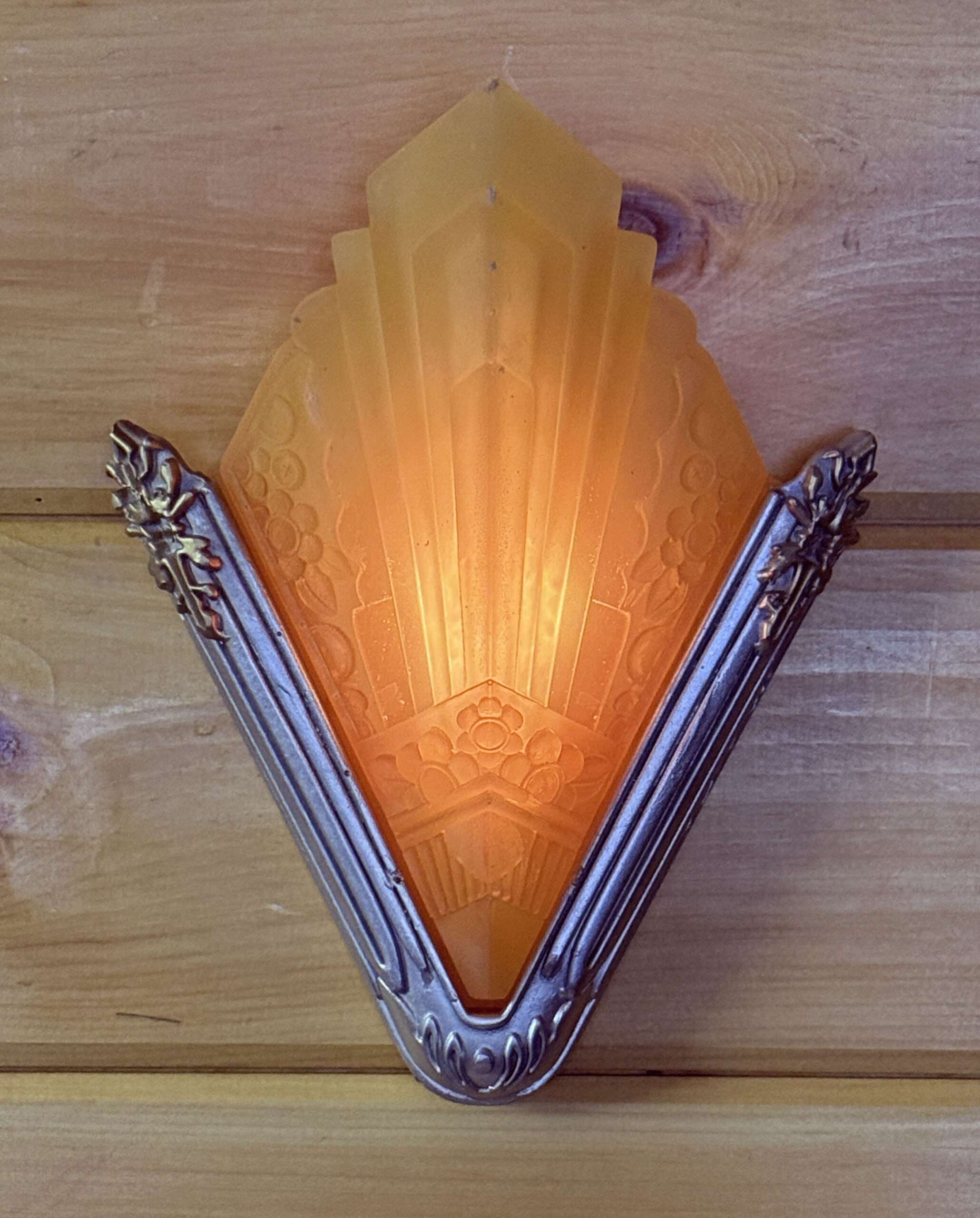
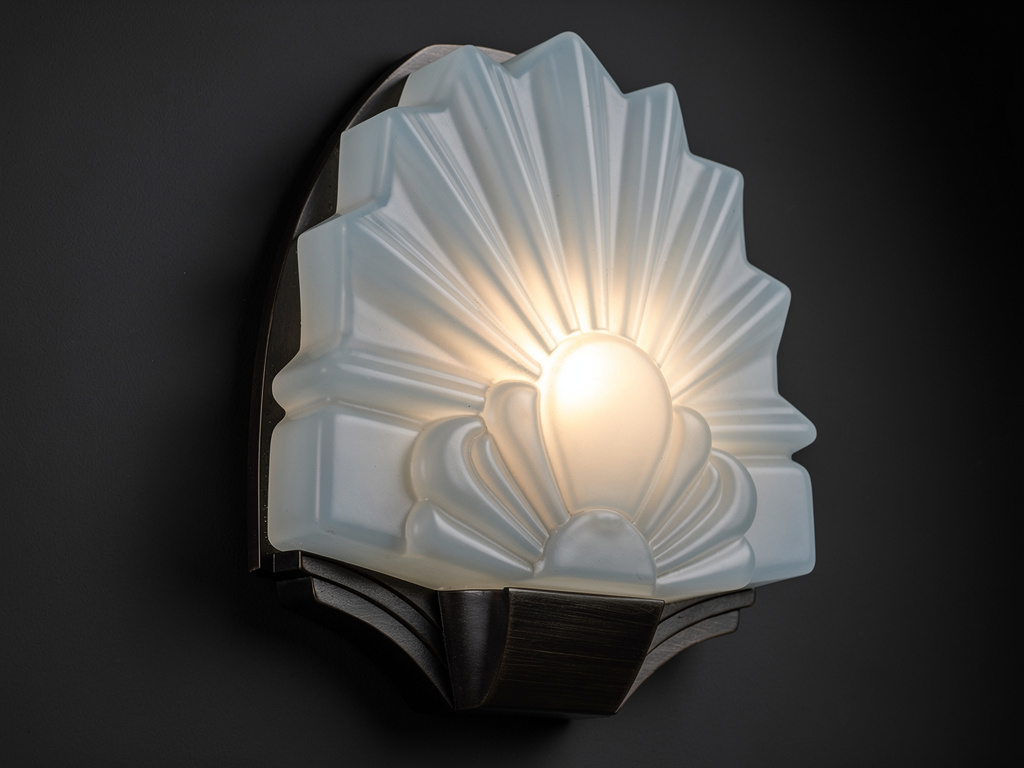
Once I rediscovered this striking monument to art-deco and the existence of a well cared-for building, I had to try to recreate the iconic exterior medallion. It represented a symmetrical collection of the most easily identified motifs of the art-deco era, expressed in bas-relief on an architectural structure. The streamline zig-zag shapes, and machine-age foliage along with the mechanized chevrons spoke to me as would any great work in the commercial canyons of New York City. As a matter of fact, I created both a small pendant and a new Sconce frame from this same set of motifs.


New Sconce based on Wiltern Medallion and the Pendant based on the same
Making The Medallion
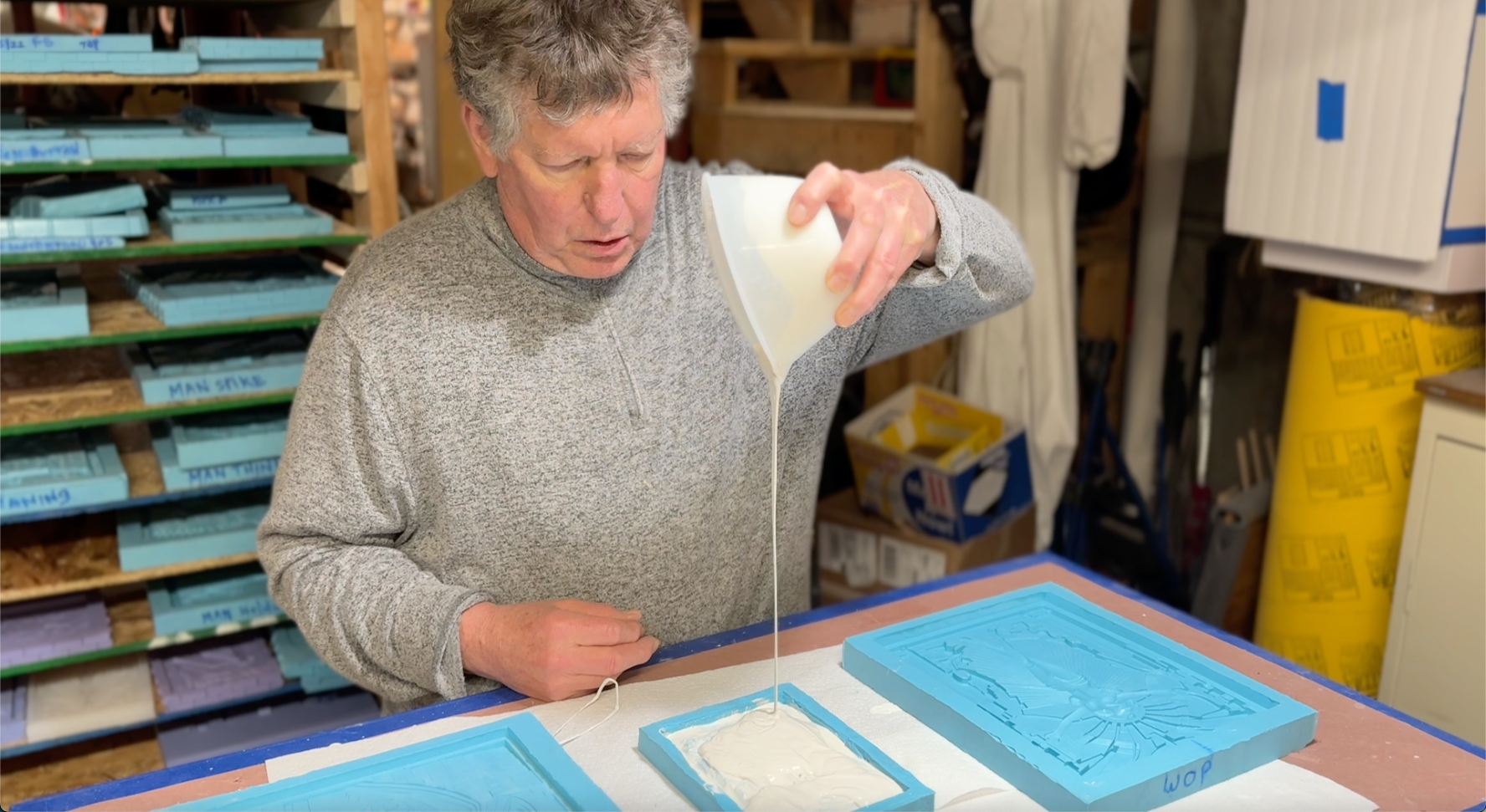
As with other designs, we first model this in 3D and then 3D print it to a resin master. Then, we make a silicone mold of that and we are ready to cast different materials for the final piece.


Finishing
As with all of our offerings, we spray on a metallic undercoat of either gold or silver, depending on the buyer’s selection, and then we rub on Gilder’s wax which gives it a nice polished metal finish, worthy of a bronze or silver look.


Perhaps in the near future, we will devise other variations on the motifs found in this startlingly beautiful medallion and we can bring them to you in our Etsy shop.